

Cultural views on gambling How perceptions shape behavior and policy
The Historical Context of Gambling
Gambling has a long and varied history across different cultures, often intertwined with societal norms and values. In ancient civilizations, such as the Romans and Greeks, betting was commonplace, often associated with social gatherings and entertainment. Over time, the perception of gambling evolved, influenced by religious beliefs and cultural traditions, shaping the acceptance or rejection of the practice in various societies. Today, many individuals are drawn to online casino platforms, reflecting modern trends in how gambling is experienced and enjoyed.
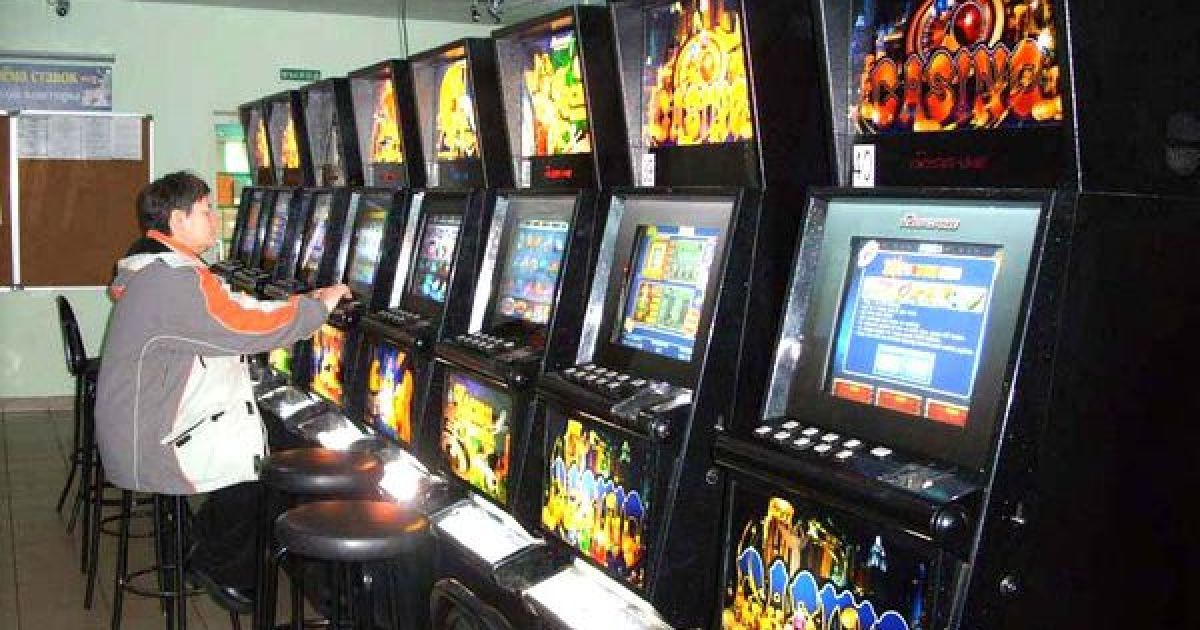
In many cultures, gambling has been viewed through a moral lens. For instance, while some societies celebrate it as a form of recreation, others regard it as a vice that leads to social decay. This duality has significantly impacted how gambling is regulated and perceived, leading to differing policies around the world.
Modern Cultural Attitudes Towards Gambling
In contemporary society, attitudes toward gambling vary widely, often reflecting broader social dynamics. In some regions, gambling is embraced as a legitimate form of entertainment, supported by robust legal frameworks and advertising. Countries like Australia and the United Kingdom have developed extensive gambling industries, integrating betting into daily life, as many enthusiasts explore various betting strategies for sports.
Conversely, in cultures where gambling is stigmatized, individuals may engage in it secretly, and legal restrictions can be stringent. This disparity in acceptance affects behavior, with those in more permissive environments likely to engage in higher gambling frequencies compared to those in restrictive societies.
The Role of Media in Shaping Perceptions
Media plays a crucial role in shaping public perceptions of gambling, influencing both societal attitudes and individual behaviors. Positive portrayals in films, television, and online content can glamorize gambling, making it more appealing. These representations often overlook the potential risks, contributing to a more casual attitude toward betting.
Conversely, media coverage of gambling-related issues, such as addiction and financial ruin, can foster negative perceptions. This dichotomy can lead to confusion among the public about gambling’s risks and rewards, influencing policy decisions and personal choices regarding gambling.
Impact of Legislation and Policy
Legislation around gambling varies significantly from one region to another, heavily influenced by cultural perspectives. In jurisdictions where gambling is viewed positively, laws are often more lenient, allowing for a broader range of gambling activities and establishments. This can lead to economic benefits, such as job creation and tourism revenue.
On the other hand, strict regulations in countries with negative views on gambling can limit options for consumers, pushing many to engage in illegal or underground gambling activities. This not only complicates enforcement but also impacts responsible gambling initiatives designed to protect vulnerable individuals.

Resources for Responsible Gambling
Understanding the cultural views on gambling can provide valuable insights into responsible gambling practices. Numerous organizations and online platforms offer guidance on how to engage with gambling safely and responsibly, promoting awareness about the potential risks.
For those looking to navigate the gambling landscape, accessing reliable resources is crucial. Websites dedicated to responsible gambling provide tools, strategies, and support for individuals, ensuring a balanced approach to betting in accordance with cultural perceptions and personal values.
